Cresie Font: Timeless Script for Crafters
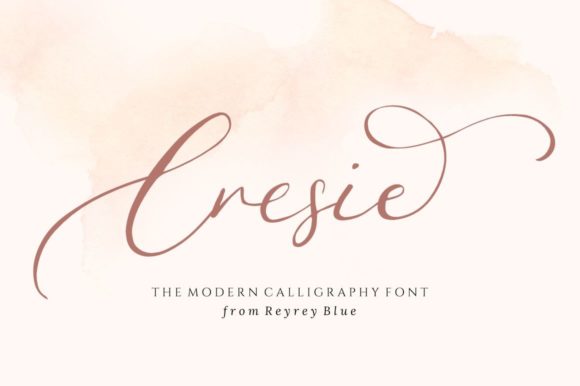
As a maker who spends countless hours perfecting the details of handmade goods, I know that typography is just as important as the materials we choose. Whether you are cutting vinyl for a custom wedding sign, printing labels for small-batch candles, or designing digital planners for Etsy, the right typeface can elevate your product from homemade to professional. This is why discovering Cresie felt like finding a missing piece in my design toolkit. It is not just another script; it is a lovely and timeless handwritten font that brings warmth, personality, and elegance to every project it touches.
In the world of Script Amp and creative Fonts, finding a balance between artistic flair and commercial readability can be challenging. Cresie manages this delicate act beautifully. Every letter has a unique and beautiful touch, which will make your design stand out without sacrificing clarity. For those of us running small shops or creating printable products, this balance is essential. We need fonts that catch the eye on social media graphics but remain legible when printed on a small product label or cut from delicate adhesive vinyl.
Why Cresie Works for Handmade Brands
The visual personality of Cresie is best described as approachable yet refined. It mimics the natural flow of handwriting, with gentle curves and consistent stroke weights that feel organic rather than mechanical. This makes it an exceptional choice for brand identity. When customers see Cresie on your packaging, they perceive a sense of care and attention to detail. It suggests that the product inside was made with love, which is exactly the emotional connection handmade sellers strive to create.
For logo design, Cresie offers a versatile foundation. Because it is a display font with strong character, it works wonderfully for boutique names, bakery logos, or photography watermarks. Unlike some overly decorative scripts that become illegible at smaller sizes, Cresie maintains its structure. This ensures that your brand recognition remains strong whether the logo is stamped on a tissue paper wrap or featured prominently on a storefront sign.
Practical Applications for Crafters and Sellers
The true test of any creative font is how it performs in real-world applications. Here is how I have integrated Cresie into various product lines, and how you might use it in your own shop:
- Wedding Stationery and Invitations: The timeless nature of Cresie makes it ideal for wedding welcome boards, save-the-dates, and menu cards. It pairs beautifully with floral illustrations and soft color palettes, adding a romantic touch that feels classic rather than trendy.
- Product Labels and Packaging: For candle makers, soap artisans, and skincare brands, label readability is key. Cresie works perfectly for product names or short descriptors like "Hand Poured" or "Organic." Its clean lines ensure that the text remains sharp even when printed on textured paper or small circular stickers.
- Home Decor and Signs: If you use Cricut or Silhouette machines, you will appreciate how well Cresie cuts. The connections between letters are smooth, reducing the need for excessive weeding. It is fantastic for farmhouse-style wooden signs, nursery wall art, or seasonal holiday decorations.
- Digital Printables and Planners: In the realm of digital downloads, Cresie adds a human touch to otherwise rigid layouts. Use it for headers in planner pages, motivational quotes for printable wall art, or titles in educational worksheets. It breaks up the monotony of standard sans serif body text.
Readability and Design Best Practices
While Cresie is undeniably attractive, using any handwritten font requires thoughtful design choices to ensure maximum impact. As a general rule, reserve Cresie for short phrases, names, titles, and decorative wording. It is a display font, meaning it is designed to be seen, not necessarily read in long paragraphs. Using it for body text can strain the reader’s eyes and diminish the aesthetic appeal.
When creating designs for physical products, always check your spacing. Handwritten fonts often have unique kerning needs. Before finalizing a design for a mug or a tote bag, print a test sheet or view your mockup at actual size. This helps you verify that the loops and tails of the letters do not clash with other design elements. For cutting machines, ensure that your software settings are optimized for single-line fonts if applicable, though Cresie typically performs well as a standard outline cut due to its clear structure.
Pairing Cresie with Other Typefaces
To create a balanced and professional layout, font pairing is crucial. Cresie shines when contrasted with simpler, more structured typefaces. Here are a few combinations that work well for craft projects:
- Cresie + Clean Sans Serif: Pairing this script with a modern sans serif font creates a contemporary look. Use the sans serif for informational text (like ingredients or dates) and Cresie for the main title. This combination is popular in minimalist branding and modern wedding invitations.
- Cresie + Simple Serif: For a more traditional or rustic feel, combine Cresie with a classic serif font. This pairing evokes a sense of heritage and quality, making it suitable for vintage-inspired labels, book covers, or artisanal food packaging.
- Cresie + Bold Display: If you want to create a high-impact poster or sale sign, use a bold, all-caps font for the primary message and layer Cresie over or under it for accent words. This adds depth and visual interest to social media graphics and promotional materials.
Technical Features and Commercial Use
Before purchasing any premium font, it is wise to review the technical specifications. While specific features can vary, high-quality scripts like Cresie often include alternates, ligatures, and swashes. These extras allow you to customize the flow of the text, preventing repetitive letter shapes and adding a bespoke feel to your designs. Check if the font supports multilingual characters if you plan to sell internationally or create designs in multiple languages.
File formats are also important for workflow efficiency. Ensure you have access to OTF or TTF files for desktop design software like Adobe Illustrator, Photoshop, or Canva. If you are creating SVG-style designs for cutting machines, you may need to convert the text or use software that supports font-to-SVG conversion effectively.
Finally, always review the licensing agreement. Most commercial fonts allow you to use them in end products that you sell, such as physical items, printed invitations, and merchandise. However, rules regarding digital templates, web design, or logo trademarks can differ. Understanding these boundaries protects your business and ensures you are using Cresie ethically and legally in your client work and personal shop.
Incorporating Cresie into your design assets is an investment in the perceived quality of your brand. It offers the charm of handwriting with the reliability of a professional typeface. Whether you are designing a simple sticker or a complex brand identity, this font provides the timeless elegance needed to connect with your audience and showcase your craftsmanship.